Straight-line reach and site layout
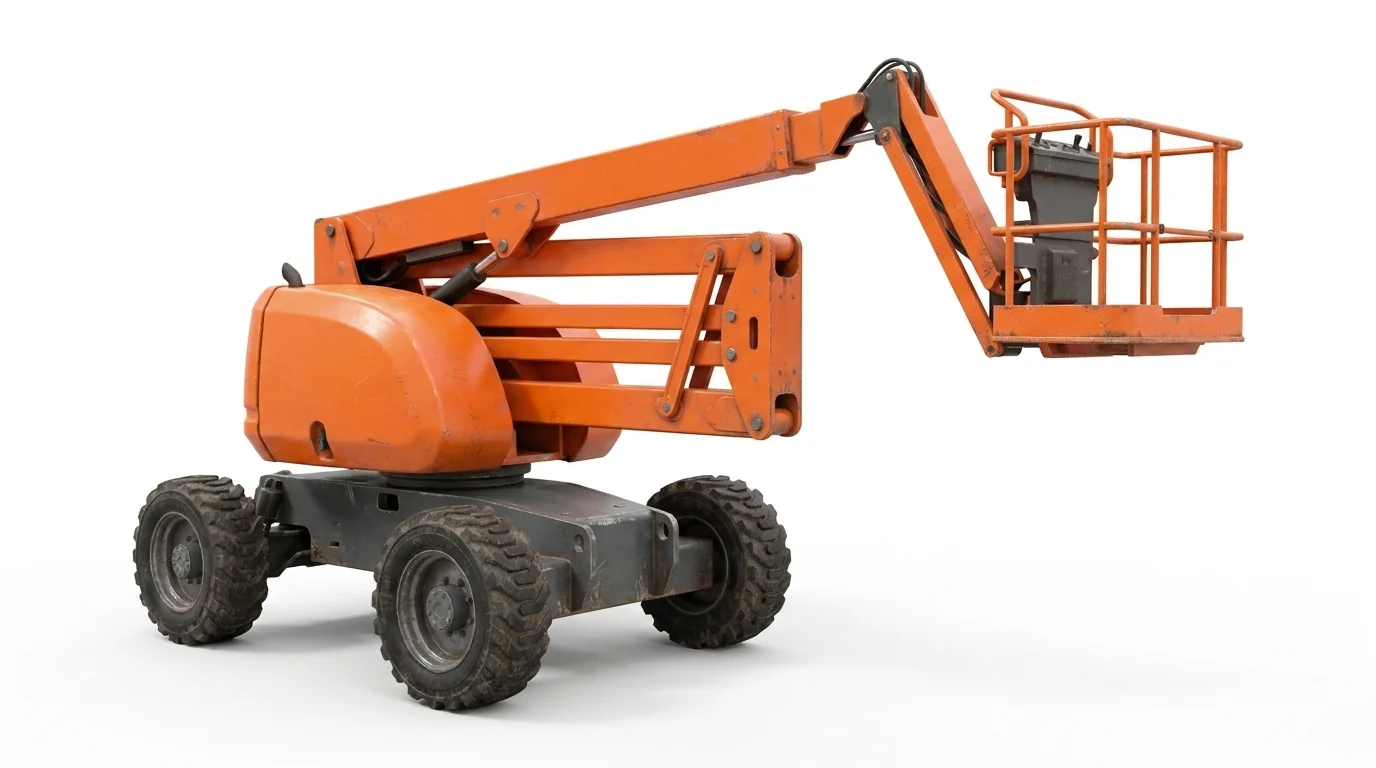
Telescopic booms excel when nothing blocks the path to the work face. On local construction and infrastructure jobs, the boom can park on compacted ground or a slab and extend directly to signage, lighting, or upper facade panels. Compared with an articulating unit, fewer joints mean faster positioning when the approach is clear.
Check these constraints first: - Required platform height and horizontal reach without needing to “go up and over” - Setback distance from the structure due to landscaping, security zones, or utilities - Room for swing, tail clearance, and transport through gates or between stored materials
Wind, grade, and surface realities
El Paso’s spring winds drive whether exterior aerial work proceeds. For any outdoor boom, the posted wind rating and site procedures govern. Calm early hours or leeward faces of buildings may be typical planning windows. On industrial pads, grade changes and drainage swales can limit where outriggers or tires can stabilize; uneven terrain may point to rough-terrain configurations.
Summer heat can influence hydraulic responsiveness over long duty cycles and may require planning for shade or cooldown intervals between extended reaches. Long travel distances across large sites favor diesel or hybrid power where charging access is limited.
Measurements that lock in the class
- Maximum work height and outreach to the target
- Minimum gate width, turning radius, and transport height along the access route
- Ground bearing capacity and any slab load limits near the setup point
- Tooling needs at height, such as power availability and platform capacity planning
Where straight booms fit locally
- Exterior panel work and signage on tall distribution buildings
- Lighting, cameras, and roof-edge tasks along long runs
- Infrastructure scopes on wide, open industrial sites without overhead clutter
If the path requires going up and around obstacles, consider an articulating unit at /articulating-boom-lift-rental/. Explore related aerial choices at /boom-lift-rental/.
Related planning resources
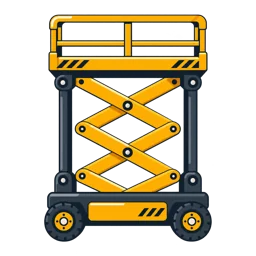
- Interior platform work at height: /electric-scissor-lift-rental/
- Mixed-surface platform access: /rough-terrain-scissor-lift-rental/
- Material placement to upper floors or roofs: /telehandler-rental/