Footprint and door access
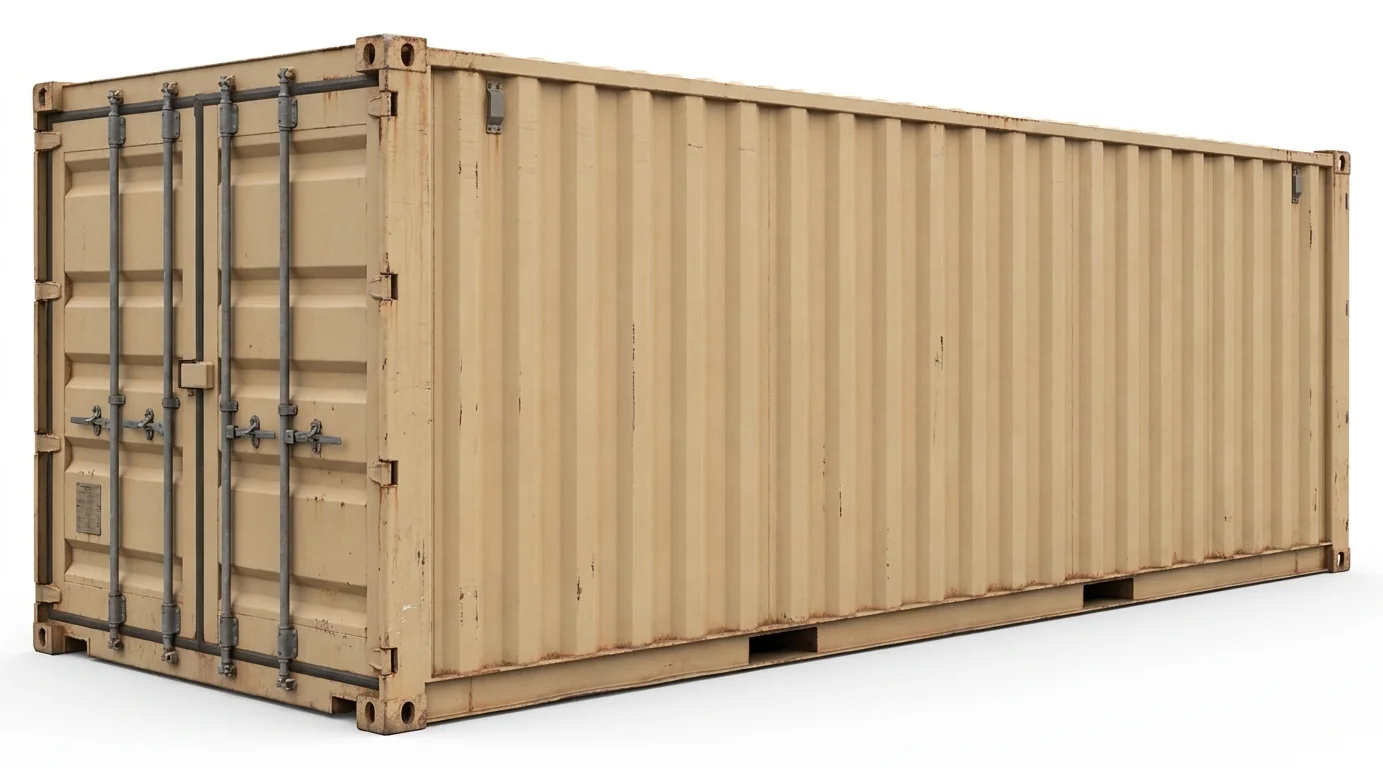
Choose length and door configuration based on load size and how often items move. Double-door units speed turnover for tenant improvements, while single-door containers suit longer-term storage of spares and seasonal tools. In local distribution yards, aligning doors with the shortest, unobstructed path to dock equipment reduces idle time.
Surface and placement in high-desert conditions
- Surface: paved lots ease forklift access; compacted base needs more attention to leveling. Ruts from summer heat can create door-bind issues.
- Wind: spring gusts influence door handling space and dictate clear zones around open doors. Position containers parallel to prevailing winds to reduce turbulence at the entrance.
- Sun exposure: west-facing walls heat up and can affect some stored materials; shaded orientations reduce interior temperature swings.
Route geometry and lift interaction
Confirm turning radius for delivery trucks at gates, medians, and dock aprons. Inside crowded improvement projects, keep containers outside aerial-lift swing paths and scissor lift travel lanes. If materials feed elevated work, a nearby staging pocket for /forklift-rental/ or /telehandler-rental/ shortens the vertical move.
Security and workflow without overbuilding
Local industrial sites often run extended shifts. Placing containers where sightlines from active areas remain clear can deter tampering without adding extra equipment. For night work, a small footprint near /generators-light-towers-rental/ can cover access doors and aisles without relocating the box.
Information that narrows options quickly
- Exterior dimensions and internal clear height needed
- Ground type, slope, and distance from hard surfacing
- Door orientation relative to loading lanes and wind exposure
- Any material sensitivity to heat
Actual site conditions, the selected unit’s instructions, and site procedures govern how containers are placed and accessed on active sites.