Load geometry and landing conditions
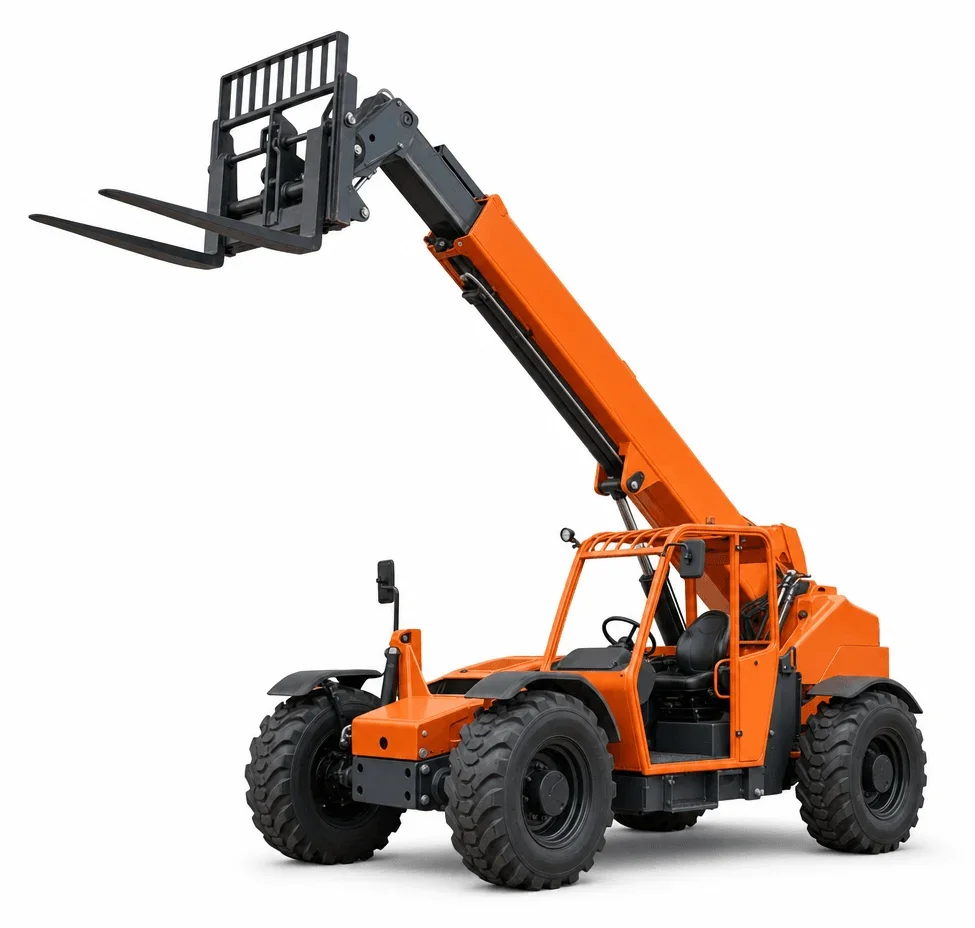
Telehandlers shine when pallets, bundles, or equipment must land at height or deep onto decks. On local distribution and manufacturing builds, common tasks include placing glazing crates to upper floors, feeding roof crews, or staging MEP pallets beyond slab edges. The landing zone’s edge protection, offset distance, and available room for fork positioning narrow the size class.
Key measurements: - Load weight at the required reach and height - Setback from the structure to the landing point - Fork length and carriage type needed for the load geometry
Terrain and travel path
El Paso sites range from compacted pads with drainage cuts to partially improved yards. Ruts, soft spots after rare rains, and debris fields affect frame leveling needs and tire selection. Long shuttles across big footprints raise the importance of power type, fuel access, and visibility around active traffic.
Spring winds can affect elevated placements, especially for broad, light materials. Actual conditions and site procedures govern whether a pick proceeds. On hot summer days, extended cycling can influence hydraulic temperatures and the frequency of rest intervals.
Coordination with aerial scopes
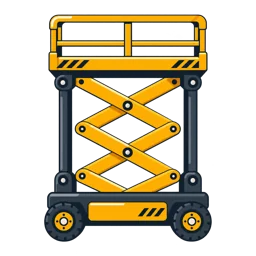
Telehandlers often support platform work by staging materials close to where boom or scissor tasks occur. When coordinated, fewer reposition moves are needed. For elevated installation zones reached by platforms, see /electric-scissor-lift-rental/, /rough-terrain-scissor-lift-rental/, and /boom-lift-rental/.
Selecting the class
- Choose capacity based on the heaviest load at maximum planned reach, not ground-level weight
- Confirm turning radius and aisle width from laydown to the set point
- Verify ground bearing limits near slab edges, pits, or utility covers
For vertical access to personnel rather than loads, compare /articulating-boom-lift-rental/ and /telescopic-boom-lift-rental/.