Aisle geometry and mast height
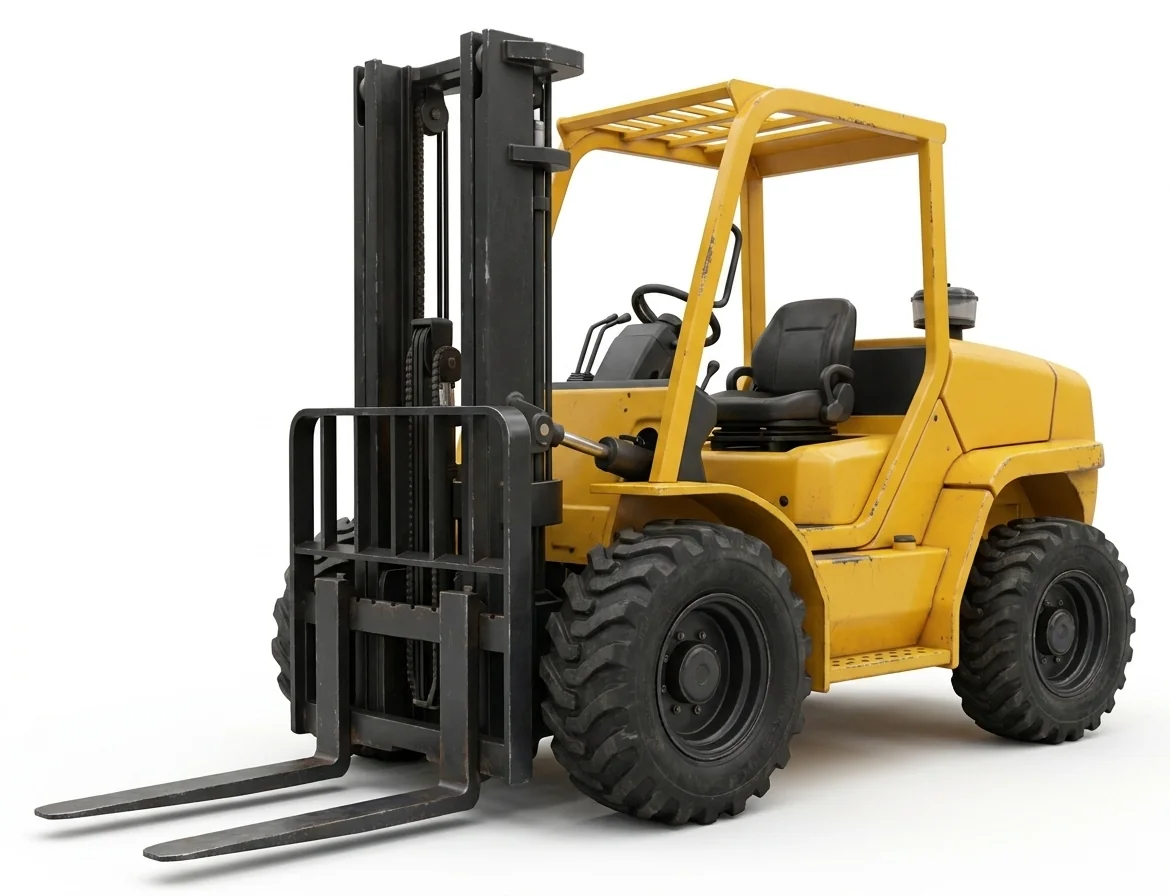
In local distribution buildings, tall racking and narrow cross-aisles place limits on turning radius and mast free lift. Confirm the tallest doorway and overhead obstructions along the route, not just at the storage location. For manufacturing lines, low-hanging utilities or conveyors can drive a shorter collapsed height or a different mast stage count.
Key measurements: - Load weight, dimensions, and center of gravity - Minimum aisle and door widths from dock to destination - Maximum collapsed mast height for the tightest overhead clearance
Surface and tire considerations
Most interior slabs call for cushion tires, while mixed indoor/outdoor routes to yard storage suggest pneumatic or solid pneumatic tires. Dock approaches in this region can have grade breaks and expansion joints that influence stability at thresholds. Occasional wind-driven dust may favor enclosed cabs or filtration on some sites.
Power and duty cycle under local conditions
Large, uncooled interiors during summer can affect battery runtime on electrics and may require planned charging windows. Internal-combustion options often handle multi-shift work where charging access is limited or where the route extends outdoors.
Common use cases around the city
- Cross-dock staging and trailer loading in logistics operations
- Line-side delivery of parts in advanced manufacturing
- Yard moves between storage containers and interior work cells
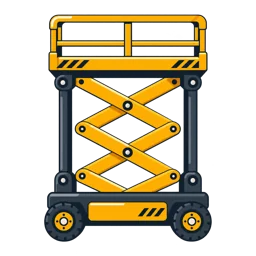
For elevated personnel access near the same zones, compare /vertical-mast-lift-rental/ and /electric-scissor-lift-rental/. For heavier exterior picks or roof staging, see /telehandler-rental/.