Job geometry in regional facilities
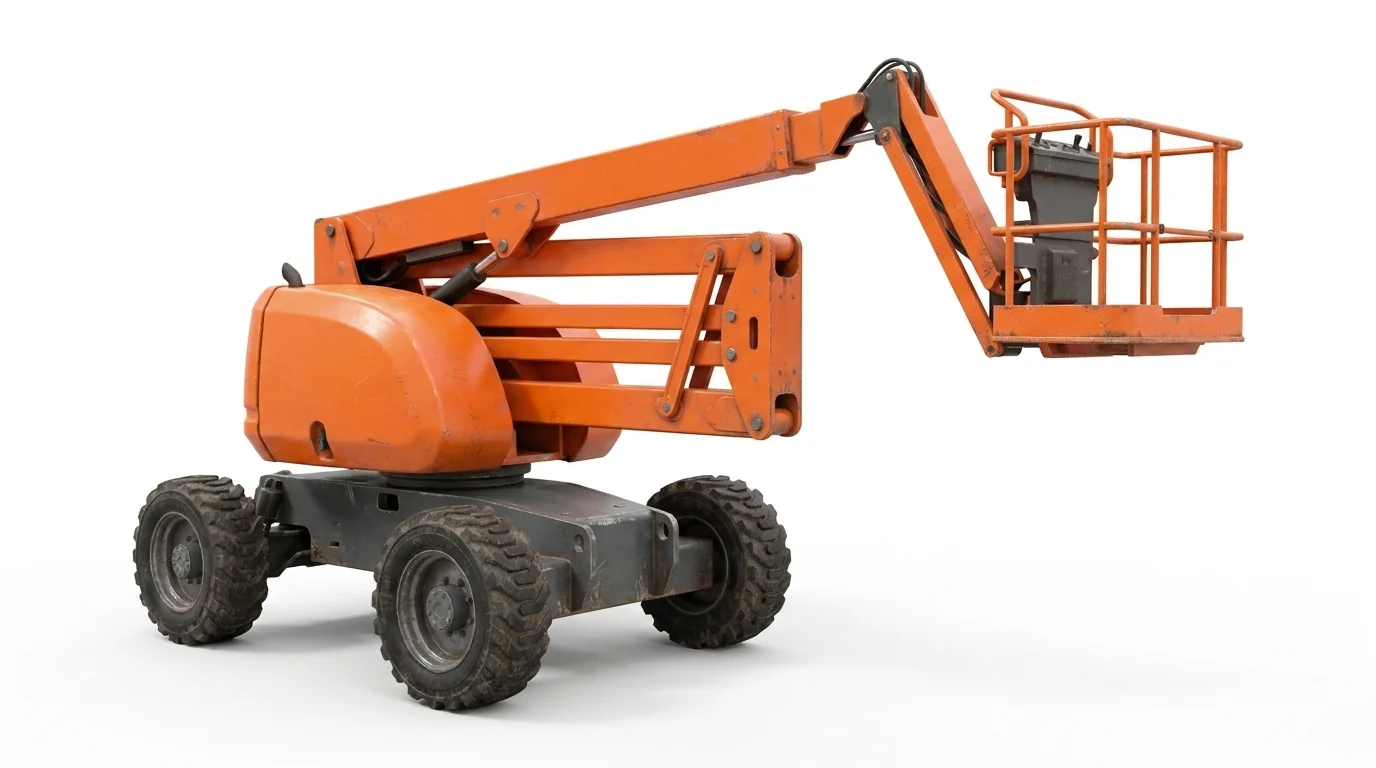
Articulating booms matter when beams, mezzanines, or equipment stands block a straight path. In local distribution buildings and manufacturing spaces, an articulating jib can reach up and over racking, conveyors, and process lines so the base stays clear of floor traffic. Outside, the same geometry helps get under soffits or over canopies without excessive repositioning in tight dock aprons.
Key factors that narrow the model: - Height of the obstruction and the overhead clearance needed to swing the knuckle - Horizontal offset from the base to the work face once the boom is above the obstacle - Space for the turntable to rotate without contacting columns, racks, or vehicles
Local climate and surface conditions
El Paso’s severe spring wind season pushes most exterior up-and-over tasks toward calm-weather windows or protected faces of a structure. For any outdoor lift, the machine’s posted wind tolerance and site procedures govern. In summer, uncooled interiors can be as demanding as outside work; heat affects battery runtime on electric units and hydraulic responsiveness across long shifts.
Surface type also shapes the choice. Finished interior slabs often point to electric models with non-marking tires, while construction yards or utility corridors may call for rough-terrain capability and greater ground clearance. On mixed-surface sites, check the full travel path from staging to work area, not just the final position.
Measurements that refine the selection
- Platform height and working envelope needed to clear overhead steel or ducts
- Minimum aisle width at pinch points along the access route
- Weight restrictions on mezzanine decks, pits, or utility covers
- Power needs for onboard tools when working deep inside large plants
Where articulating booms fit in the local mix
- Commissioning and maintenance above active lines in advanced manufacturing
- MEP punch lists around dock equipment in logistics buildings
- Base infrastructure work where roof edges, antennas, or shade structures create obstacles
For straight-shot exterior reach without obstructions, a telescopic unit may be more efficient. See /telescopic-boom-lift-rental/ or compare categories at /boom-lift-rental/.
Related planning resources
- Interior, slab-friendly work at height: /electric-scissor-lift-rental/
- Uneven-grade platform work: /rough-terrain-scissor-lift-rental/
- Material staging alongside elevated work: /telehandler-rental/